
This is a collection of readings from the book entitled ‘Dawn of the Dhamma’ written by Ajahn Sucitto, which provides illuminations of the Buddha’s first discourse, the Dhammacakkappavattana Sutta, or the ‘Setting in Motion the Wheel of Dhamma’. Narration and reflections were given by Ajahn Amaro on 8 January 2015 during the Winter Retreat at Amaravati Buddhist Monastery, UK
Chapter 2 – Thus Have I Heard
This is a collection of readings from the book entitled ‘Dawn of the Dhamma’ written by Ajahn Sucitto, which provides illuminations of the Buddha’s first discourse, the Dhammacakkappavattana Sutta, or the ‘Setting in Motion the Wheel of Dhamma’. Narration and reflections were given by Ajahn Amaro on 7 January 2015 during the Winter Retreat at Amaravati Buddhist Monastery, UK
Chapter 1 – The Great Wheel of the Law
This is a collection of readings from the book entitled ‘Dawn of the Dhamma’ written by Ajahn Sucitto, which provides illuminations of the Buddha’s first discourse, the Dhammacakkappavattana Sutta, or the ‘Setting in Motion the Wheel of Dhamma’. Narration and reflections were given by Ajahn Amaro on 6 January 2015 during the Winter Retreat at Amaravati Buddhist Monastery, UK
Chapter 01 – The Buddha Revisits the City of the Five Hills
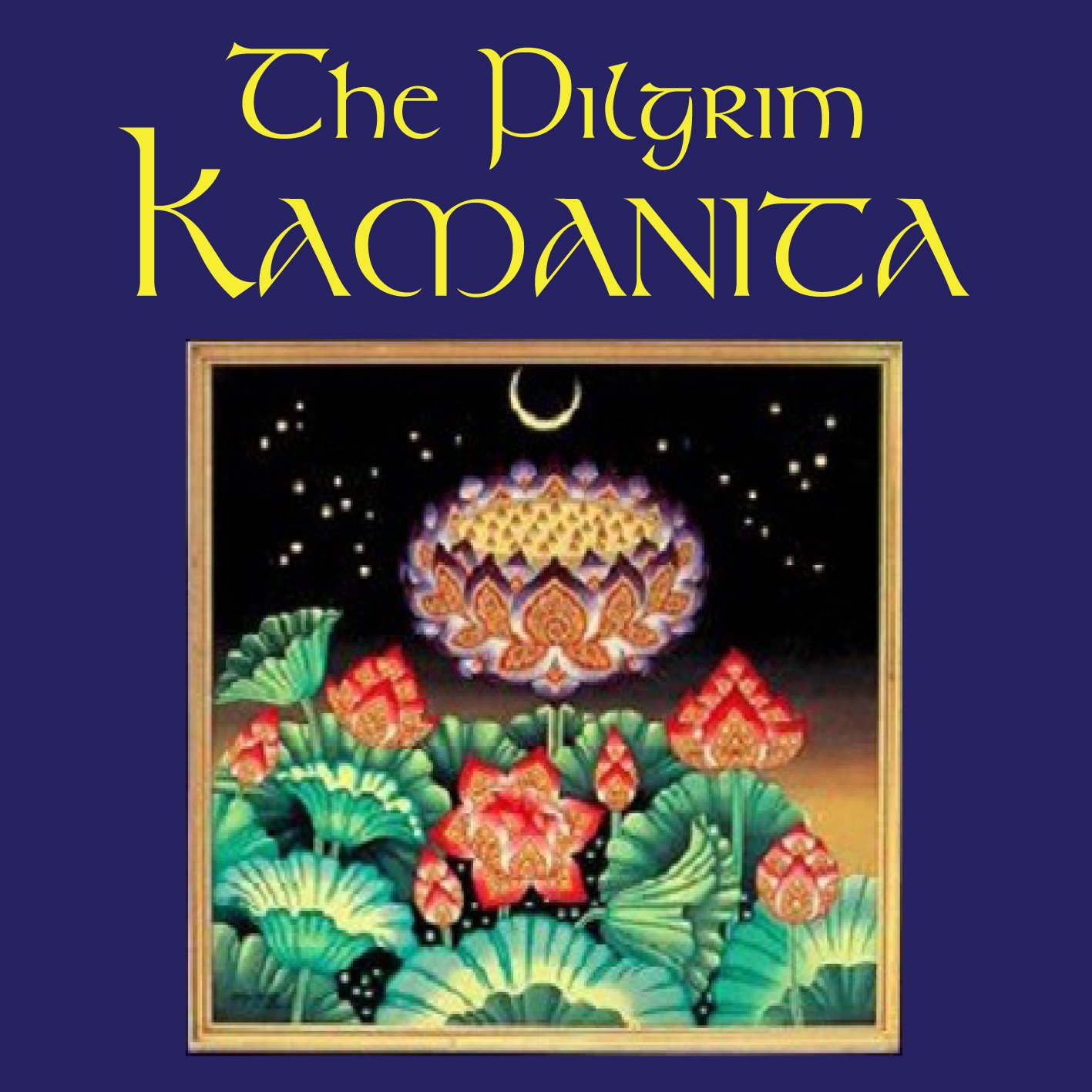
The Pilgrim Kamanita is about the journey of Kamanita, an Indian merchant’s son, from earthly prosperity and youthful romance, to his meeting with a unfamiliar monk, who actually is Gotama Buddha. The Pilgrim Kamanita was published in German in 1906 by Karl Gjellerup. The print version was edited and published by Ajahn Amaro, and offered in dedication when the Amaravati Temple was formally opened in 1999. This is the audiobook version read by Ajahn Amaro; it was originally created principally for his blind mother so that she could enjoy the story too.
Chapter 02 – The Meeting
The Pilgrim Kamanita is about the journey of Kamanita, an Indian merchant’s son, from earthly prosperity and youthful romance, to his meeting with a unfamiliar monk, who actually is Gotama Buddha. The Pilgrim Kamanita was published in German in 1906 by Karl Gjellerup. The print version was edited and published by Ajahn Amaro, and offered in dedication when the Amaravati Temple was formally opened in 1999. This is the audiobook version read by Ajahn Amaro; it was originally created principally for his blind mother so that she could enjoy the story too.
Chapter 03 – To the Banks of the Ganga
The Pilgrim Kamanita is about the journey of Kamanita, an Indian merchant’s son, from earthly prosperity and youthful romance, to his meeting with a unfamiliar monk, who actually is Gotama Buddha. The Pilgrim Kamanita was published in German in 1906 by Karl Gjellerup. The print version was edited and published by Ajahn Amaro, and offered in dedication when the Amaravati Temple was formally opened in 1999. This is the audiobook version read by Ajahn Amaro; it was originally created principally for his blind mother so that she could enjoy the story too.
Chapter 04 – The Maiden Ball-Player
The Pilgrim Kamanita is about the journey of Kamanita, an Indian merchant’s son, from earthly prosperity and youthful romance, to his meeting with a unfamiliar monk, who actually is Gotama Buddha. The Pilgrim Kamanita was published in German in 1906 by Karl Gjellerup. The print version was edited and published by Ajahn Amaro, and offered in dedication when the Amaravati Temple was formally opened in 1999. This is the audiobook version read by Ajahn Amaro; it was originally created principally for his blind mother so that she could enjoy the story too.
Chapter 05 – The Magic Potrait
The Pilgrim Kamanita is about the journey of Kamanita, an Indian merchant’s son, from earthly prosperity and youthful romance, to his meeting with a unfamiliar monk, who actually is Gotama Buddha. The Pilgrim Kamanita was published in German in 1906 by Karl Gjellerup. The print version was edited and published by Ajahn Amaro, and offered in dedication when the Amaravati Temple was formally opened in 1999. This is the audiobook version read by Ajahn Amaro; it was originally created principally for his blind mother so that she could enjoy the story too.